Early Career Connections

Building Relevance Early,
While Keeping Every Option Open.

Early career exploration in K-8 isn't just nice to have. Research shows it significantly impacts absenteeism, academic success, student motivation, and long-term graduation rates.

Early Exposure

The K-8 Imperative: Early Career Exposure Matters

Research consistently demonstrates that early career exploration in K-8 significantly impacts student outcomes. Students with early exposure to career possibilities show increased academic success, enhanced self-awareness, and stronger motivation to persist in their education.

Career development is a lifelong process that begins with awareness in the earliest grades, progresses through exploration in middle school, and culminates in purposeful preparation.

  • ✓ Higher rates of high school graduation
  • ✓ Increased postsecondary enrollment
  • ✓ Stronger academic motivation and engagement
  • ✓ Clearer sense of purpose and future direction
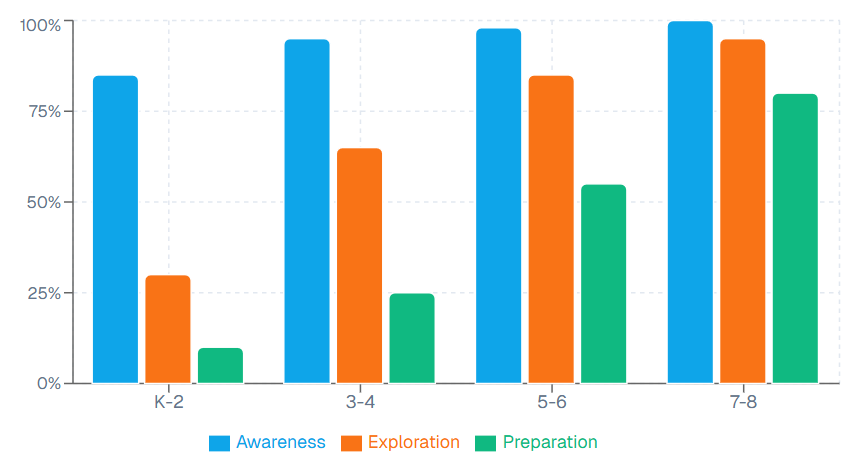
Career Readiness Skill Development by Grade Band

Skill Development Chart

A Grade-by-Grade Approach to Career Readiness

Our curriculum follows age-appropriate developmental stages aligned with national frameworks.

 
K–2

Career Awareness

Learning Activities

  • Exploring community helpers and job roles
  • Understanding how technology helps different workers
  • Basic computer skills: typing, mouse control, navigation
  • Digital creativity with drawing and storytelling tools
Learning Outcome Students understand that different jobs exist and technology plays a role in many careers.
3–5

Career Exploration

Learning Activities

  • Introduction to coding with block-based programming
  • Digital project creation mirroring real-world tasks
  • Research skills and responsible internet use
  • Collaboration tools and virtual teamwork
Learning Outcome Students explore career fields through digital projects and begin connecting skills to professions.
6–8

Career Preparation

Learning Activities

  • Advanced coding projects and computational thinking
  • Data analysis and visualization activities
  • Digital portfolio development
  • Understanding how digital skills connect to specific careers
Learning Outcome Students develop career-specific digital competencies and understand pathways to their interests.
See it in the Product

Real-world projects. Practical digital skills.

In a community fundraiser project, students use digital tools to plan, design, coordinate, and set goals.

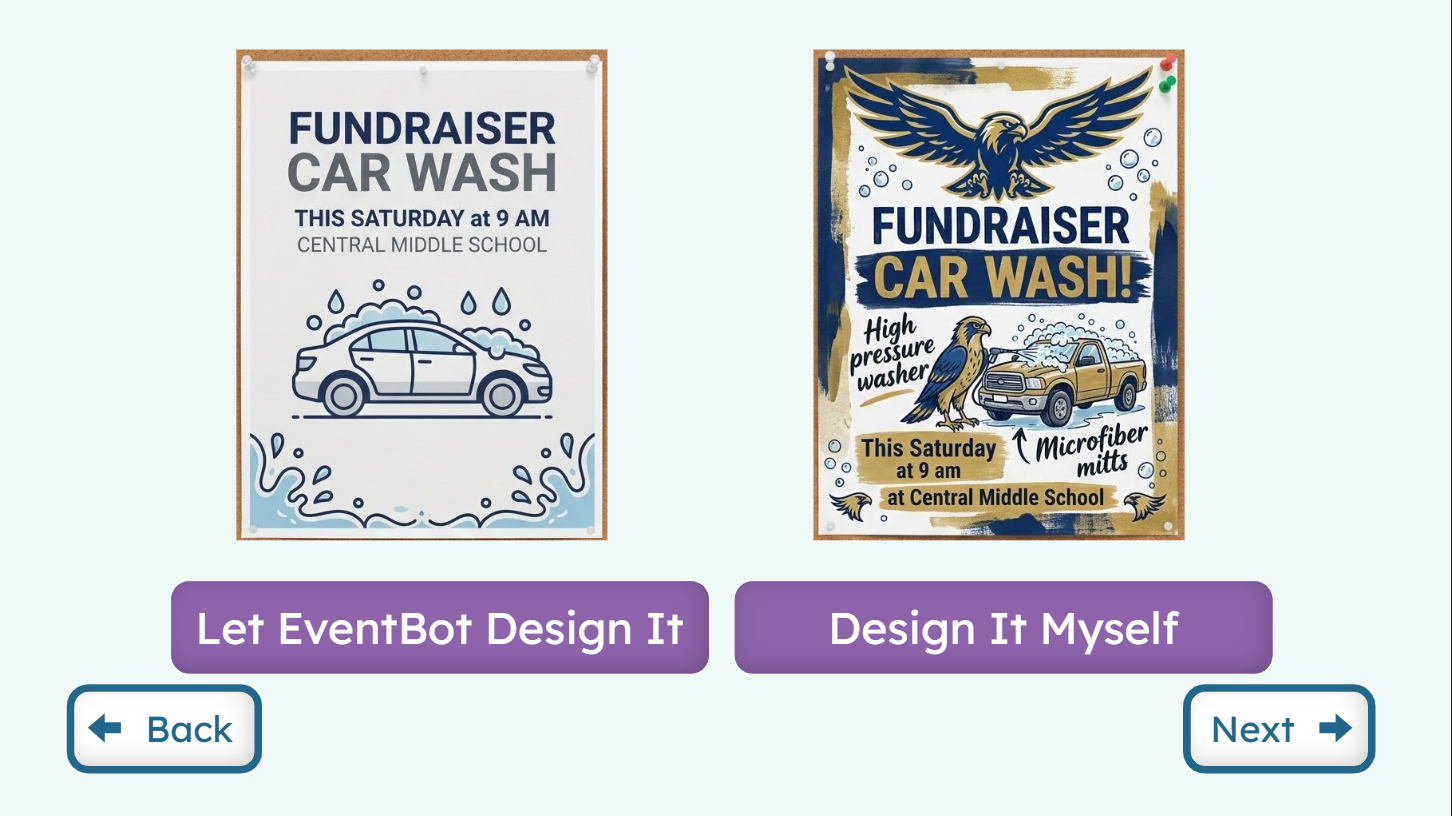
  1. 1 Design a fundraiser flyer
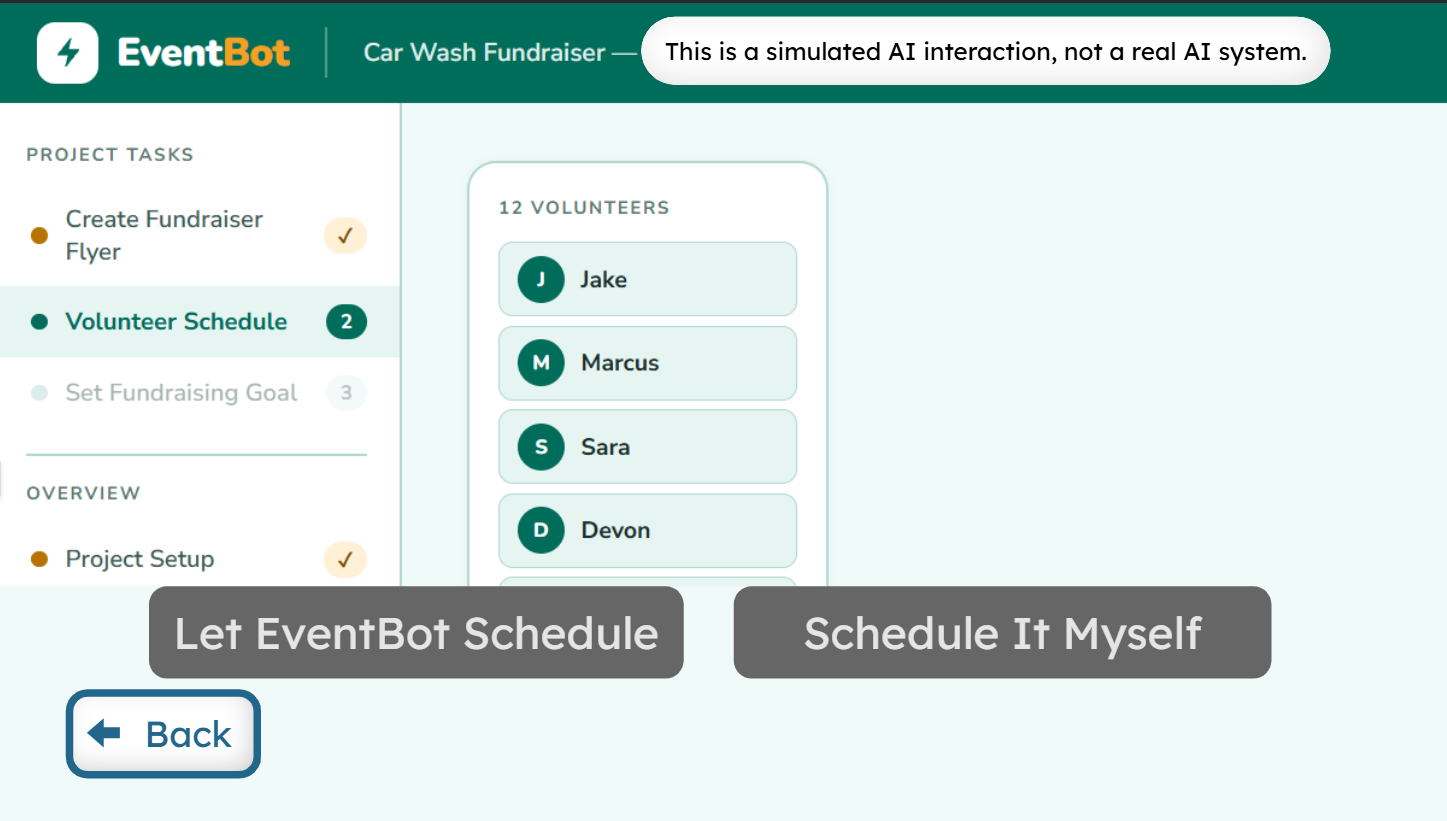
  2. 2 Build a volunteer schedule
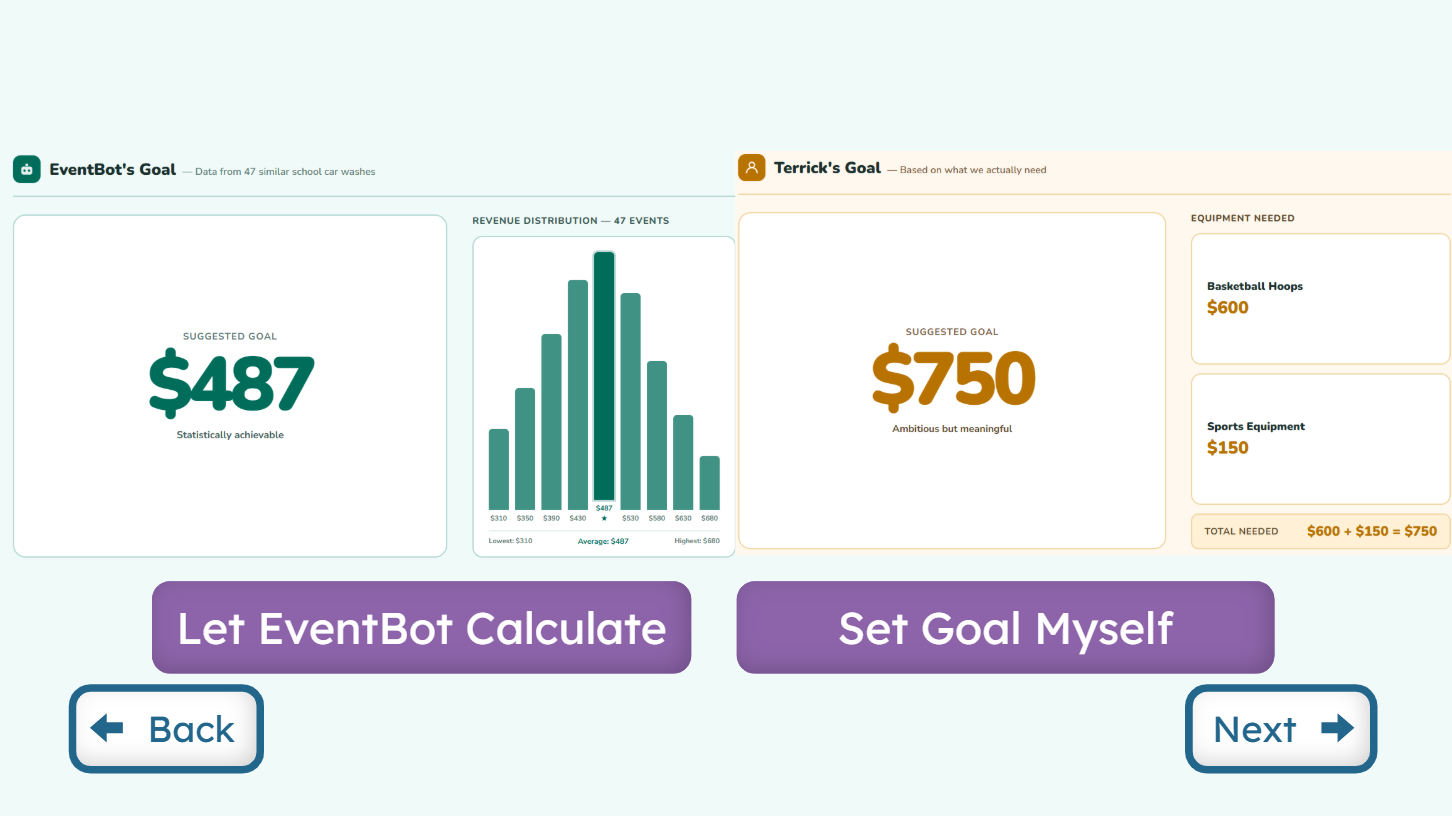
  3. 3 Set a data-informed fundraising goal

The judgment behind the task

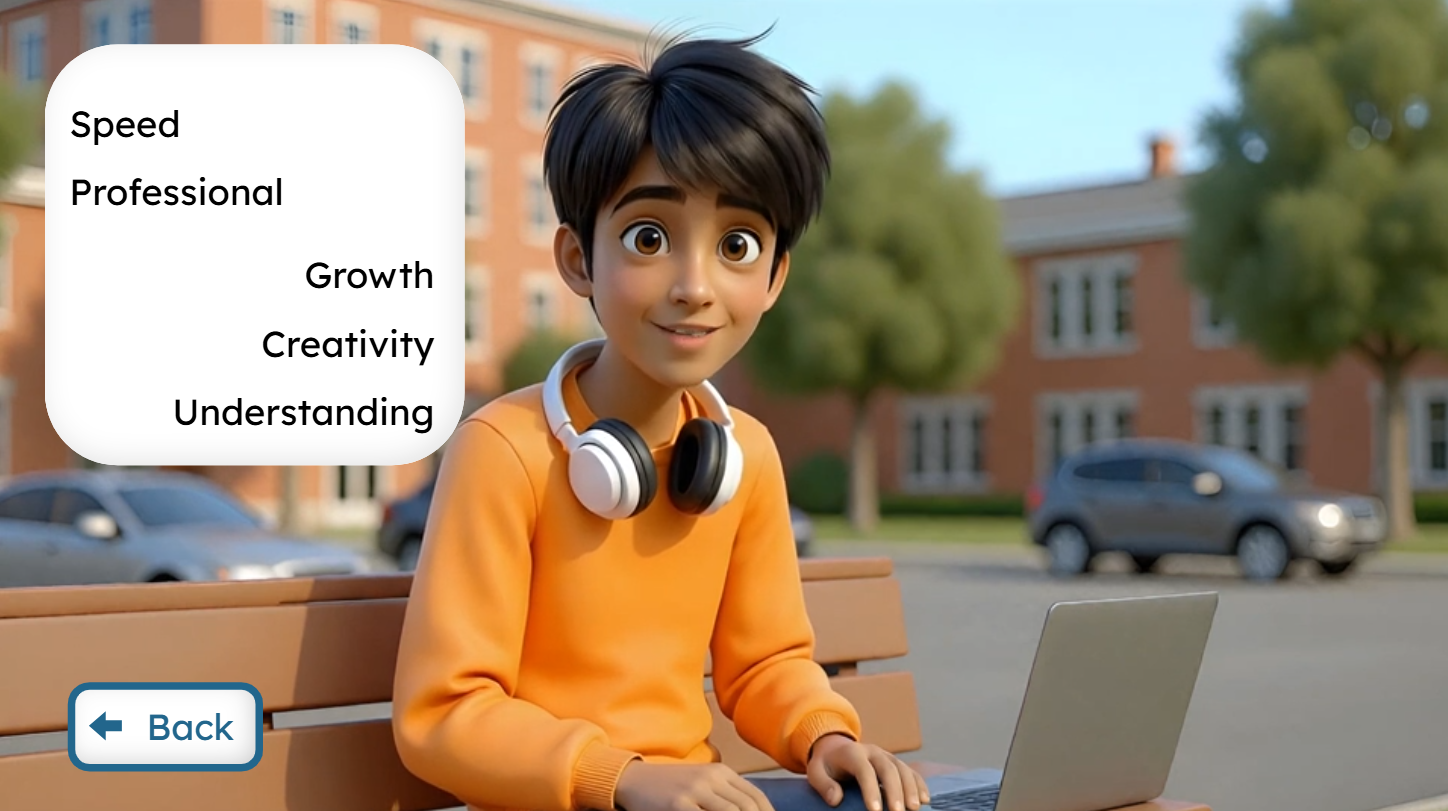
Students decide when to use a simulated AI assistant, when to complete the work themselves, and when combining both approaches makes sense.

Project planning · Communication · Data · Judgment
Explore the K–8 curriculum map →
Student choosing whether to use a simulated AI assistant or design a fundraiser flyer independently
Student building a volunteer schedule for a fundraiser Student comparing information to set a fundraising goal Student reflecting on speed, professionalism, growth, creativity, and understanding

Alignment with National Readiness Goals

Our K-8 career connections align with established frameworks that shape district goals nationwide.

AASA

K-8 Readiness Indicators

Our curriculum aligns with AASA's emphasis on career exploration, community service participation, and development of academic and social-emotional competencies.

ESSA

Well-Rounded Education

Career and technical education components of ESSA support digital literacy programs that connect academic skills to real-world career pathways.

ISTE

Student Standards

Learning.com's approach maps directly to ISTE's standards for empowered learners, digital citizens, and computational thinkers.

Inside the Curriculum

Digital skills connect learning to future work.

Across Learning.com’s K–8 curriculum, students build practical skills through realistic tasks—then learn when technology can help, when to question it, and when human judgment should lead.

Use technology with confidence

Build fluency with the tools used to learn, create, and work.

Curriculum topics

Computer Fundamentals · Keyboarding · Productivity Tools

Example titles

  • 1:1 Device Care
  • Choosing the Right Digital Resources
  • Spreadsheets: Parts and Navigation

Create and communicate

Turn ideas into clear, purposeful digital work for an audience.

Curriculum topics

Multimedia · Creativity & Innovation · Presentations

Example titles

  • Presentations: Consistency and Visual Design
  • The Design Process Using SMART Goals
  • Choosing the Right Communication Tools

Analyze, solve, and build

Break down problems, work with data, and test possible solutions.

Curriculum topics

Data Literacy · Computational Thinking · Coding

Example titles

  • Computational Thinking: Algorithmic Problem Solving
  • Building Your First Program
  • Data, Algorithms, and AI

Evaluate and act responsibly

Consider accuracy, safety, fairness, privacy, and human impact.

Curriculum topics

Digital Citizenship · Online Safety · AI Literacy

Example titles

  • Checking AI Answers
  • Choosing Between Humans and AI
  • Ethical Trade-Offs of AI
Career clusters

High-demand fields students explore

EasyTech and EasyCode naturally introduce students to in-demand career fields and the essential workplace skills behind them.

Technology & Computing
Data & Analytics
Design & Creative Arts
Engineering & Innovation
Health & Human Services
Business & Finance
Skilled Trades & Making
Get Started

Start with a conversation

No commitment. No sales pitch. Just a candid conversation about preparing your students for a digital, AI-shaped future — and how career readiness fits your larger plan for student safety, digital literacy, and confidence.

Request a conversation


Bring safe digital + AI literacy, career readiness, and digital citizenship to the 2026–2027 school year.